

Professional pest control in Abu Dhabi focuses on identifying where pests are entering, where they are hiding, and what conditions are allowing them to return.
Why Pest Problems Develop So Quickly
Seeing one cockroach, ant trail, mouse, or bed bug does not always mean that only one pest is present. Many species spend most of their time hidden behind appliances, inside cabinets, around plumbing points, in wall gaps, under furniture, or in storage areas.
Abu Dhabi properties can also have several factors that make pest prevention more difficult. Kitchens provide food and moisture, drainage systems can provide access routes, gardens create outdoor nesting areas, and small gaps around doors, windows, pipes, and utility lines can become entry points.
This is why effective pest management should address the source of the infestation, rather than concentrating only on the insects that are easy to see.
Common Pest Problems in Abu Dhabi
Different pests require different inspection and treatment methods. Some of the most common problems faced by homes and businesses include:
Cockroaches
Cockroaches are particularly difficult to control when they have access to food, water, and protected hiding places. Kitchens, bathrooms, drains, cabinets, and areas behind refrigerators or other appliances can provide suitable conditions.
A proper cockroach treatment should look beyond visible insects. Technicians may need to identify harbourage areas, food and water sources, cracks, plumbing routes, and other potential access points before selecting an appropriate treatment strategy.
Ants
Ant infestations often begin with a few visible workers searching for food. However, the main colony may be located outside the building or inside a concealed area.
Simply killing the ants that appear on a countertop may provide only temporary relief. Long-term control requires identifying their entry routes and reducing the conditions that allow the colony to continue accessing the property.
Bed Bugs
Bed bugs are small, persistent pests that can hide in mattresses, bed frames, furniture, cracks, and other areas close to where people sleep or rest.
Because they can remain concealed, treating only the visible areas may not solve the problem. A thorough inspection followed by an appropriate treatment and follow-up process is often more effective than repeatedly using household insect sprays.
Termites
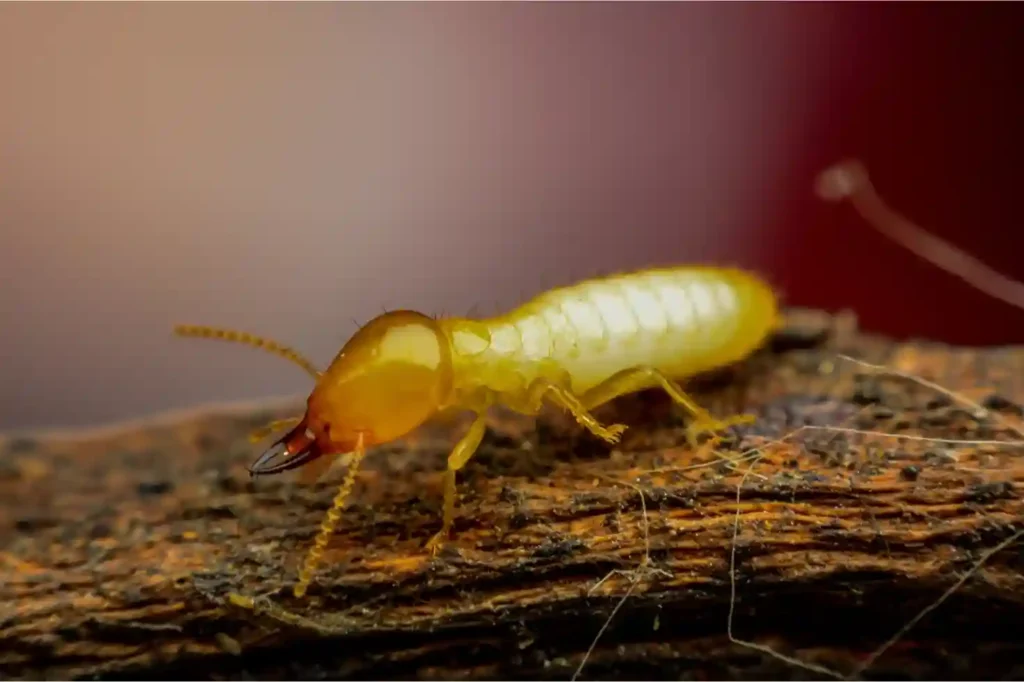
Termites deserve particular attention because the damage can remain hidden for a long time. They can affect wooden furniture, doors, frames, cabinets, and other wood-containing parts of a property.
For villas, commercial buildings, and properties with significant wooden structures, early inspection can help identify termite activity before damage becomes more extensive. Preventive termite management can also be considered when the property's construction and surrounding conditions create additional risk.
Rats and Mice
Rodents can enter buildings through surprisingly small openings and may move through storage areas, service spaces, ceilings, kitchens, warehouses, and other concealed locations.
Signs can include droppings, gnaw marks, damaged packaging, unusual sounds, unpleasant odours, and repeated activity around food-storage areas. Effective rodent management should combine population control with exclusion measures so that access points are addressed.
What Professional Pest Management Should Include
A quality pest-control visit should not be treated as a quick spray-and-leave service. The process should be based on the type of pest, the extent of the infestation, the property's layout, and the areas requiring protection.
A practical approach generally includes:
- Inspection – Identify pest activity, harbourage areas, entry points, moisture sources, and other contributing conditions.
- Pest identification – Determine what species is involved because treatment methods can vary considerably.
- Targeted treatment – Apply the appropriate control method to affected and high-risk areas rather than treating randomly.
- Source reduction – Address food, water, waste, cracks, gaps, and other conditions that support the infestation.
- Follow-up assessment – Check whether pest activity has reduced and determine whether additional treatment is necessary.
- Prevention advice – Give the property owner practical steps for reducing the chance of reinfestation.
Abu Dhabi also has technical guidance for cockroach pest management that outlines approved control approaches and professional practices, reinforcing the importance of structured rather than improvised treatment.
How Homeowners Can Reduce Pest Activity
Professional treatment works best when basic prevention is maintained between visits. Homeowners and tenants can reduce pest pressure by keeping kitchens clean, storing food in sealed containers, removing rubbish regularly, repairing leaking taps or pipes, and avoiding unnecessary moisture around sinks and bathrooms.
It is also useful to inspect common entry points. Small gaps around doors, windows, pipes, drains, and utility openings can provide access for insects and rodents. Outdoor areas should be kept reasonably clean, while unnecessary piles of cardboard, unused containers, and other clutter should be removed.
For businesses, prevention becomes even more important. Restaurants, food-storage areas, offices, warehouses, and other commercial premises need consistent sanitation and waste-management practices because a recurring infestation can affect operations, customer confidence, and workplace hygiene.
When Should You Call a Pest Control Professional?
Do not wait until an infestation becomes severe. Professional assistance is worth considering when pests continue appearing after basic cleaning, when you repeatedly see insects at night, when there are signs of rodents, when bites or suspected bed bugs are present, or when you discover possible termite activity.
The earlier the problem is properly identified, the easier it can be to determine the right treatment strategy. Repeatedly applying supermarket sprays without identifying the source may only provide short-term relief while the underlying infestation continues.
Choosing the Right Pest Control Service in Abu Dhabi
When comparing pest-control companies, look beyond a low initial price. Consider whether the provider explains the treatment process, identifies the pest correctly, provides clear preparation instructions, and uses methods appropriate for the property.
It is also sensible to ask about technician experience, treatment documentation, follow-up arrangements, safety precautions, and the types of residential or commercial properties the company regularly handles.
For larger properties, businesses, restaurants, warehouses, and villas, a tailored inspection is generally more useful than a one-size-fits-all treatment.
A Cleaner Property Starts With Prevention
Pest control is most effective when treatment and prevention work together. Eliminating visible insects is only one part of the solution; finding harbourage areas, closing entry points, removing food and moisture sources, and monitoring future activity can make a significant difference.
Whether the issue involves cockroaches in a kitchen, ants around a villa, rodents in a storage area, bed bugs in a bedroom, or suspected termites in wooden structures, the right response starts with identifying the actual cause. A professional, targeted approach can help Abu Dhabi homeowners and businesses maintain cleaner, more comfortable, and better-protected properties.